
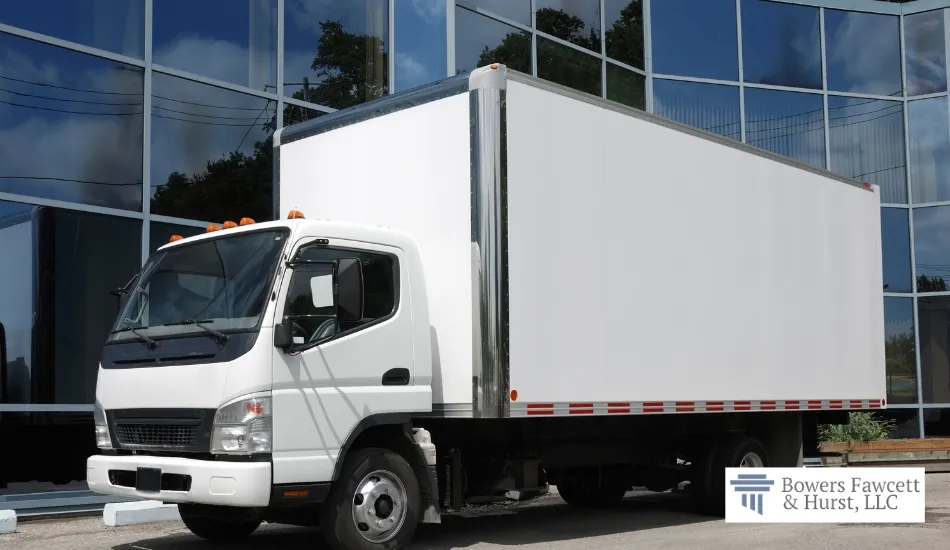

Commercial truck accidents on I-376 are not uncommon. In any type of vehicle accident, it is crucial to determine who is liable for the damages and injuries caused. While it may seem as though the biggest vehicle is the source of the problem, this may not always be the case. If you are an innocent driver or a truck driver who has been involved in an accident, it is important to reach out for legal help as soon as possible.
A commercial truck accident attorney can determine which steps to take and when. Remember, cases involving truck accidents are governed by a statute of limitations that restricts the amount of time you have to file a claim. That timeframe may be affected by the circumstances of the accident. Therefore, it is imperative that you immediately seek legal advice before it is too late.
Pennsylvania Truck Laws
In Pennsylvania, there are many rules and regulations regarding when and how a driver may operate such a vehicle. Some of these include:
- Commercial driver’s license. Driving a truck is much different than driving a car, so a special license is required. Truck drivers may also need special endorsements, which prove that they have additional training, to operate vehicles with dangerous cargo, double trailers, or other unique requirements.
- Medical certifications. Drivers must show that they are healthy and alert enough to operate trucks safely. This includes passing drug and alcohol tests, along with documentation showing that they have no major medical issues that could cause them to be a hazard behind the wheel.
- Size and weight limits. Trucks must be maintained properly and not loaded beyond a set capacity. Failure to adhere to these rules greatly increases the chance a truck may roll over during a turn or in high winds. It also increases the chance a truck could roll backward, struggle to stop properly, or create other hazards for nearby motorists.
- Regular inspections and maintenance. Trucking safety starts well before a vehicle leaves the lot. Proper inspections and maintenance are vital for spotting problems early on and reducing the chance they can lead to a crash. These records are publicly searchable, meaning they can be used for evidence in an accident case.
Both truck drivers and freight carriers owe a duty of care to the public whenever they bring these large vehicles onto roadways. If they violate any rules and regulations, these violations can impact the case. Even if they were not responsible for the entire accident, and a motorist they struck bears some fault, evidence of failing to comply with the above-mentioned laws can be grounds for assigning the trucker and their company partial fault.
Under Pennsylvania commercial truck accident laws, contributory negligence shall not bar recovery, so long as negligence is not greater than the causal negligence of the defendant or defendants from whom damages are being sought. In other words, being partially at fault reduces what you recover by your percentage of fault, and it only bars recovery when your share is greater than the combined share of everyone you are pursuing legal action against.
Contact our firm as soon as possible for help with your commercial truck accident case. We can review the details, estimate fault percentages, and estimate what type of settlement you may be eligible to recover.
What to Do After a Truck Accident in Pennsylvania
A truck accident can be a traumatic and chaotic experience, but knowing what to do directly after the incident and in the time shortly after can be vital for your recovery. The first step is to call 911 so police officers can create an accident report. You’ll also want to get information from the truck, including:
- Photographs of the tractor and trailer separately
- The US DOT number and carrier name on the door
- The trailer’s markings
- Any information about the load
- Pictures of spilled cargo
- The driver’s name, CDL number, carriers, and insurance information
If tensions are high after the accident, you may wait until police arrive to collect this information. Next, you will want to get a proper medical examination. Do not skip this, as it’s crucial for determining the extent of your injuries. Also, a same-day appointment can diminish the defense’s argument about whether your injuries were truly caused by the accident. Your medical reports can also be valuable evidence in court.
Truck accident cases are unique in that the trucking company controls information such as:
- The retention clock
- Electronic logging devices
- Engine control module download
- Dispatch records
- Driver qualification file
- Drug and alcohol test results
- Maintenance and inspection records
- Bill of lading
All these can be evidence to determine who is responsible and how much.
A spoliation letter demanding preservation of these materials should go out before the carrier’s routine retention period runs. Remember – while you’re still in the hospital, the carrier’s rapid response team is often already on the scene. Contacting a lawyer early is crucial, as they can preserve key evidence and build an accurate case.
Finally, don’t make common mistakes, like:
- Giving recorded statements to the carrier’s insurer
- Signing an open-ended medical authorization
- Accepting quick settlement offers before the treating physician has stated your prognosis
Liability
Liability is the legal responsibility that is attributed to a driver who is at fault for an accident. This person can be held responsible for paying the costs of any damages that others incurred because of the crash. These may include medical bills, loss of wages, and pain and suffering.
The motor carrier is liable for its driver’s negligence, and this can cover several areas, including:
- Hiring policies
- Training materials
- Supervising practices
- Entrusting the vehicle
- Enforcing hours-of-service limits
If the carrier put an unfit or underqualified driver on the road, or if it assigned a route that could not be legally run, it can be held liable, regardless of the driver’s actions. Other potentially liable parties in the case can include:
- The broker or shipper if loading created the hazard
- The company that physically loaded the freight or failed to secure it
- The maintenance contractor if brakes, tires, coupling, or other components failed
- The owner of the tractor-trailer if unknown defects were present
In many cases, truckers are listed as owner-operators because they want to legally separate the two concepts of owning a truck and operating it. Both parties in this situation can be held liable, given the right circumstances, and identifying the correct entities early is crucial for a seamless and successful case.
Motor carriers are required to carry insurance policies that maintain substantially higher minimum coverage than passenger vehicle insurance policies. This is to cover their added weight, mass, size, travel frequency, and risk of accidents due to a variety of factors in both the driver and the many organizations within the supply chain.
Multiple levels of layered coverage and various separate corporate entities can mean that a truck accident case may be more complex to map, but all that can also offer a higher settlement. When you hire a commercial truck accident attorney from our firm, we can manage the complexities of your case.
For nearly half a century, we’ve been serving western Pennsylvanians in these types of cases. While the state may be a popular freight hub due to containing many high-commerce cities and being near other bustling states, we believe that truck accident victims deserve justice and accountability after an accident. Let our truck accident lawyers put their decades of experience to work for you.
Federal Hours-of-Service Rules and Why the Logs Matter
The federal driver fatigue framework covered under 49 CFR Part 395 can be important for cases involving commercial trucks. This sets limits on the amount of time a driver may operate a commercial vehicle before they are legally required to take a rest break. It was established to reduce the chance of accidents related to fatigue, dulled reflexes, lack of attention, and failure to focus.
Under this framework, commercial drivers must:
- Have at least 10 consecutive off-duty hours before beginning a shift.
- Drive a maximum of 11 hours, and they may not drive beyond the 14th consecutive hour before coming on duty.
- Take a 30-minute interruption in driving after 8 cumulative hours of driving.
- Not go beyond a maximum of 60 on-duty hours in 7 consecutive days or 70 hours in 8 consecutive days.
It is important to remember that this is a general framework, as short-haul and other forms of freight transport may not fall under the same rules. However, no matter the type of vehicle, since electronic logging devices have replaced paper logbooks, data is now machine-recorded, making a violation far easier to prove. It’s much more difficult for a carrier to hide or change this data, and it can also be used to cross-check with other evidence, like:
- Fuel receipts
- Weigh station records
- Toll data
- Dispatch messages
If a driver goes over their hours-of-service limit, even slightly, it creates a danger that is highly impactful to your case. This is another reason why the preservation letter to retain these records is a time-sensitive matter. Contacting a lawyer as soon as possible increases the chances of using solid evidence like this to pursue a successful truck accident claim.
Common Injuries From Truck Accidents
Truck accidents can lead to catastrophic injuries, as such incidents often happen while traveling at high speeds, and they involve large vehicles. High-impact injuries, such as spinal cord damage and traumatic brain injuries, are not uncommon. These types of injuries can be difficult to recover from, oftentimes leaving behind lasting pain and effects for their victims.
When you file a claim for compensation after a truck accident, expenses related to these types of serious injuries can be covered. It is crucial to maintain records of all expenses you have concerning any injuries after an accident, as these will be used to determine the amount of compensation you may be awarded. An experienced lawyer can gather the documents needed.
How a Lawyer Can Help
Truck accidents can often leave a person struggling with multiple compounding and escalating issues. Physical pain can impact your ability to think. Medical debts can be exacerbated by your inability to work. On top of it all, you may feel confused about what to do next. A lawyer can help you by providing guidance backed by experience. Through their work, you can feel confident in knowing that your claim is being handled properly.
Trucking and freight companies all throughout the supply chain go to work immediately when an accident happens, trying to downplay damages and avoid blame. Our law firm can bring an even greater level of responsiveness, working diligently to preserve and gather evidence so we can seek the full compensation you deserve. Not only does a lawyer take the weight of the legal process off you, but they can also approach your claim the right way.
FAQs
Are Commercial Truck Accidents Common?
Commercial truck accidents are common and prone to increase as the trucking industry grows. The Federal Motor Carrier Safety Administration reported a 26.4% increase in truck accidents resulting in fatalities over six years. This evidence shows that it is not uncommon for large trucks to be involved in accidents. Such large vehicles can often be difficult to maneuver in a moment of need.
What Time of Day Are Crashes More Likely?
The National Highway Traffic Safety Administration reports that the largest number of crashes happens within the time frame of 6:00 to 8:59 p.m., with the next-largest number occurring from 9:00 to 11:59 p.m. While there is no definitive reason why these statistics are true, it can be speculated that drivers tend to be more tired during these hours of the day, leading to less cautious driving habits.
Is It Dangerous to Drive a Big Truck?
Driving a big truck can be dangerous for individuals who have not had the appropriate training and experience. The massive size of commercial trucks can also increase the chances of crashes due to the inability to stop as quickly as a smaller vehicle. Even experienced truck drivers can be at risk for crashing when other drivers take actions that are dangerous, such as cutting in front of another driver or stopping too quickly without any warning.
How Long Does a Truck Accident Claim Take?
The time a truck accident claim takes can vary, depending on several factors. If the case goes to court, the timeframe can be significantly extended. Private negotiations with insurers can be faster, but these matters can also be prolonged if multiple parties are liable, fault levels are debated, or additional evidence is needed. Contact our law firm to learn more about how long your case may take.
Hire a Commercial Truck Accident Lawyer: Bowers Fawcett & Hurst, LLC
When you hire a commercial truck accident lawyer, you are hiring someone to advocate for the compensation you deserve after an accident. At Bowers Fawcett & Hurst, LLC, we have over 45 years of combined legal experience in helping clients just like you. We can pursue the outcome you need in your case. Get in touch with us today to learn more about who we are and how we may help you.


